HVAC Technician Interview Questions: Six to Practice and How to Answer Each One
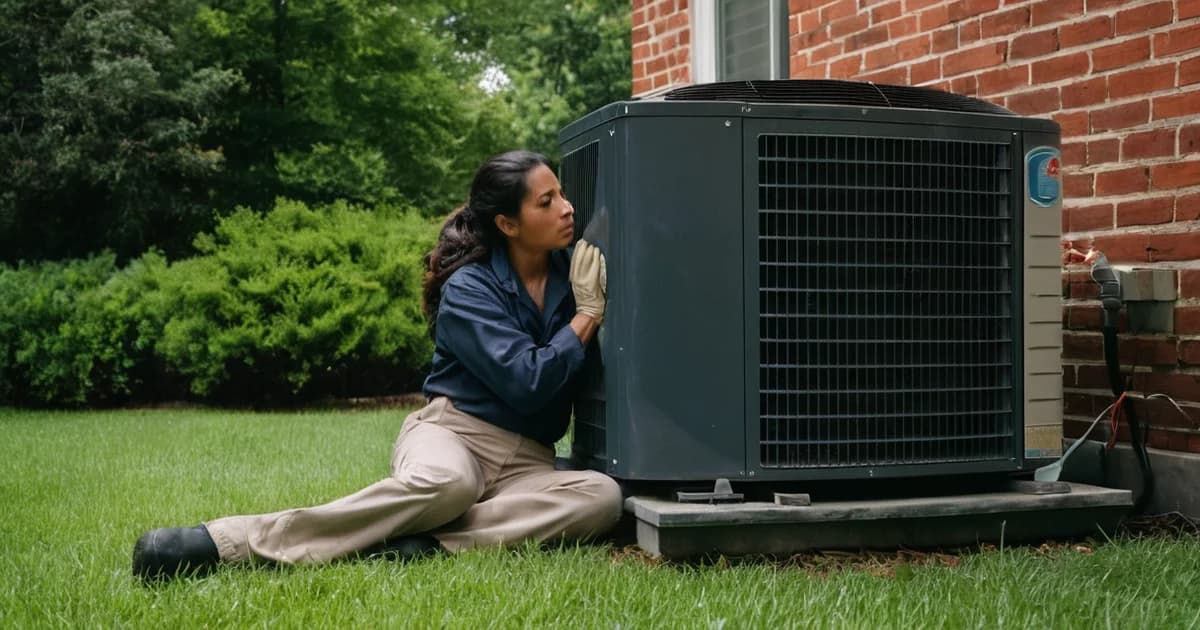
To prepare for an HVAC technician interview, practice three areas tied to the job: how you identify problems with malfunctioning systems, how you follow refrigerant regulations and work safely, and how you treat customers. The practice questions here cover a no-cooling call, your EPA certification, a callback you owned, a price dispute, your safety habits, and your paperwork. When you practice, describe a real call: the checks you made, the readings you took, and what you told the customer.
By I start Monday team · Published October 29, 2026 · 9 min read
The practice questions below are built around three parts of HVAC work. Can you identify the problem with a malfunctioning system and determine the best way to repair it? Will you follow refrigerant regulations and work safely around hazards such as electrical parts? Can you discuss a system malfunction with a customer and stay friendly and polite? Nearly every question below practices one of those. Practice answers that sound like a call you actually ran: the symptom, what you checked first, what you found, and what you told the customer. Before the interview, work through the interview preparation checklist, and have a short version of your work history ready for the opener, which is covered in how to answer tell me about yourself.
Walk me through how you'd diagnose a system that's running but not cooling
Why it matters: BLS says HVAC technicians must be able to identify problems with malfunctioning HVACR systems and then determine the best way to repair them. Walking through your checks in order is one way to show how you do that.
A strong answer: "First I ask the customer when it started and whether anything changed. Then I check the thermostat setting and the filter, look at the indoor coil and the outdoor unit for airflow problems, and confirm the condenser fan and compressor are both running. If airflow is good, I put gauges on and compare superheat and subcooling to the manufacturer's chart. I don't add refrigerant until I know why it's low."
A weak answer: "Usually it's low on refrigerant, so I'd hook up the gauges and top it off."
Fix it in one line: Say the cheap, quick checks out loud before you mention gauges.
What certifications do you hold, and how do you handle refrigerant on a job?
Why it matters: The Bureau of Labor Statistics notes that the EPA requires nearly all HVAC technicians to be certified in proper refrigerant handling, and that some states and localities require HVAC technicians to be licensed. BLS also says technicians must follow regulations on the conservation, recovery, and recycling of refrigerants when installing or repairing air conditioning and refrigeration systems.
A strong answer: "I hold EPA certification in proper refrigerant handling. I brought the card, and I keep a photo of it on my phone. Any time I open a system, I recover the refrigerant instead of venting it, following the recovery regulations and the shop's procedures. I'm studying for my state license now and plan to test this spring."
A weak answer: "I've got my EPA card somewhere at home. I know the rules."
Fix it in one line: Name your EPA refrigerant-handling certification, bring proof, and describe recovery in one sentence.
Tell me about a call you couldn't fix on the first visit
Why it matters: BLS lists discussing system malfunctions with customers among typical HVAC technician duties, and says technicians must be able to identify problems with malfunctioning systems and determine the best way to repair them. A call that took a second visit gives you a concrete example of both.
A strong answer: "I had a furnace that kept short cycling. The flame sensor was dirty, so I cleaned it, and two days later it was doing the same thing. On the second visit I checked the venting and found the intake partly blocked by a bird nest. I explained to the homeowner what I'd missed and the office waived the trip charge. Now I check venting on every short cycling call before I touch parts."
A weak answer: "I don't really get callbacks. When something comes back it's usually a bad part from the supplier."
Fix it in one line: Pick a real callback, say what you missed, and name the check you now do every time.
A homeowner is upset about the price of a repair. What do you do?
Why it matters: BLS lists discussing system malfunctions with customers among typical HVAC technician duties, and says technicians must be friendly, polite, and punctual because they often work in customers' homes or business offices. Use this question to practice explaining a repair calmly. Many of the same skills come up in customer service interview questions.
A strong answer: "I let them finish, then show them what I found, like the swollen capacitor or a photo of the burnt contactor, and explain what the repair covers. If they want options, I give them the ones our pricing allows, such as the repair now or a replacement quote. If they still dispute it, I call my service manager from the driveway. I don't change prices on my own."
A weak answer: "I'd just knock some off the bill so they stay happy."
Fix it in one line: Show the evidence, offer only approved options, and hand pricing disputes up the chain.
How do you stay safe on electrical work and in attics?
Why it matters: BLS reports that HVAC technicians have one of the highest rates of injuries and illnesses of all occupations, with potential hazards including burns from electrical parts or chemicals and muscle strains or sprains from handling heavy equipment or machinery. BLS also says technicians often work in awkward or cramped spaces and may need to work in extreme temperatures. Be ready to describe your safety habits.
A strong answer: "I shut off power at the disconnect and verify it's dead with my meter before I touch anything. I discharge capacitors before I pull them. In summer I schedule attic work early when I can, take water up with me, and tell the homeowner I'm going up so someone knows where I am. If a job needs two people, I ask for a second tech."
A weak answer: "I've been doing this a long time. I can usually tell if something's live."
Fix it in one line: Describe the verify step with your meter as a specific safety habit.
How do you keep your truck stock and paperwork in order?
Why it matters: BLS lists keeping records of work performed among typical HVAC technician duties, and says technicians must maintain complete records, including the amount of time a job took and the specific parts and equipment used. Be ready to say how you keep those records.
A strong answer: "I restock at the end of each day from the parts I used, and I keep extras of the common failures like capacitors, contactors, and igniters. I close every ticket in the app before I leave the driveway, with photos, readings, and what I recommended, so the office can bill it and the next tech knows what's been done."
A weak answer: "I'm more of a hands-on guy. I catch up on tickets at the end of the week."
Fix it in one line: Say exactly when you close tickets and what goes into each one.
WORK OUT YOUR FIRST-VISIT FIX RATIO
Before the interview, pull up your last 10 service calls from your ticket history or phone photos. Count how many you closed without a return visit, and write the result as a fraction of 10. That is your first-visit fix ratio. If 8 of 10 stuck, you can say 'about 8 of my last 10 calls were fixed on the first trip' when the callback question comes up. Then look at the misses: if two or more share a cause, such as venting or a part you didn't have on the truck, that shared cause is your answer to the callback question.
| Question | What the interviewer is really asking | A strong answer in one line | A red flag |
|---|---|---|---|
| Walk me through a system that runs but won't cool | Do you diagnose in order or guess? | Customer, thermostat, filter, airflow, then gauges and charge readings | Adding refrigerant before finding out why it's low |
| What certifications do you hold? | Can you legally handle refrigerant on our trucks? | Name your EPA refrigerant-handling certification and bring proof | Card is 'somewhere' or you can't name the certification |
| Tell me about a call you couldn't fix the first time | Do you own mistakes and learn from them? | A real callback, what you missed, the check you now always do | Claiming zero callbacks or blaming the supplier |
| A homeowner is upset about the price | Will you protect the customer and our pricing? | Show the evidence, offer approved options, escalate disputes | Discounting on your own to end the conversation |
| How do you stay safe on electrical work and in attics? | Do you have habits or just confidence? | Shut off, verify dead with a meter, discharge capacitors | Saying you can tell when something is live |
| How do you keep your truck and paperwork in order? | Will you cause second trips and billing delays? | Restock daily, close every ticket on site with photos and readings | Filling out tickets at the end of the week |
The night before
- Put your EPA card, any state or local license, and your driver's license in one place. BLS notes that HVAC technicians may need a driver's license to travel to jobsites.
- Pick two real calls you can tell start to finish: one clean diagnosis and one callback, including the readings you remember.
- Run the first-visit fix ratio from the box above so you have an honest number ready.
- Look at the company's website to see which equipment brands they install and service, and note which ones you've worked on.
- Write a short list of the tools and meters you own, and copy your key points onto a one-page interview cheat sheet to read in the parking lot.
Try it
Ready to apply for HVAC roles? Start on I start Monday
Frequently asked questions
Should I bring my own tools to an HVAC technician interview?
Ask the employer before the interview whether to bring tools. A written list of the meters, gauges, and hand tools you own is an easy way to prepare, and you can ask what the company supplies.
Will an HVAC technician interview include a hands-on test?
Ask the recruiter about the interview format when they schedule you, so you know whether to prepare for a hands-on test.
How do I answer these questions as an apprentice or recent graduate?
Use lab work, school projects, and time you spent riding with a technician as your examples. BLS says HVAC technicians typically need a postsecondary nondegree award, that some train through an apprenticeship program, and that newly hired technicians typically work alongside experienced technicians. Be exact about what you did yourself and what you watched, and bring your EPA certification if you already hold it.
More on Skilled Trades
- CNC operator cover letter: five steps with before and after examples
- Carpenter cover letter: build one in five steps, with a before and after
- How Long Does It Take to Become an Electrician?