Medical assistant interview questions: what managers ask and how to answer each one
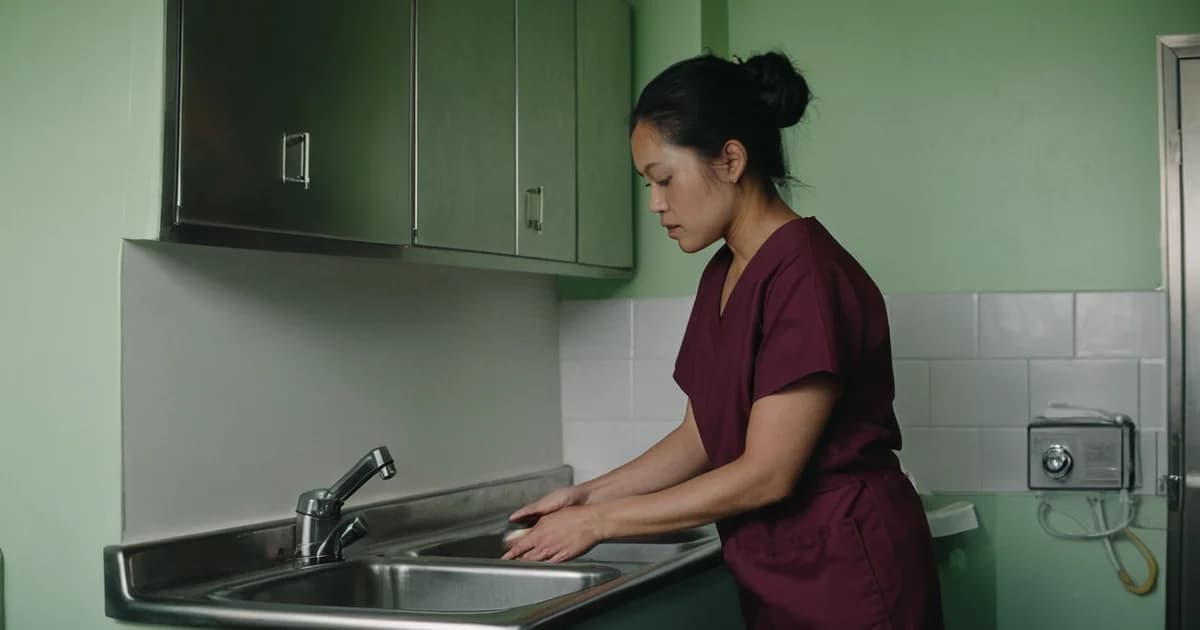
Medical assistant interviews test three things: whether you can follow clinical procedures in order, whether you stay calm with patients who feel bad, and whether you protect their privacy. Expect questions about rooming a patient, handling an upset patient, a mistake you made, confidentiality, and juggling tasks. Answer each with one real moment and one specific step. Follow any dress instructions the clinic gives you.
By I start Monday team · Published November 3, 2026 · 9 min read
A medical assistant sits between the patient and the provider all day, so a hiring manager is listening for three things. Can you do clinical and front-desk tasks accurately? Do you stay calm and kind with people who feel bad? Will you protect patient information without a reminder? The Bureau of Labor Statistics describes the job as a mix of clinical and administrative duties, which is why interviewers jump from taking vitals to answering phones in the same conversation. The questions sound casual, yet each one checks one of those three things. A specific moment, a specific step, and a result will carry you further than any claim about being a people person.
Why do you want to be a medical assistant, and what should I know about you?
Why they ask: The manager wants a clear, specific reason you chose this work and this clinic. This is the same ground as how to answer tell me about yourself, pointed at one clinic.
A strong answer: "I finished my medical assistant program last spring and did my externship at a family practice, where I roomed patients, took vitals, and drew blood under supervision. I liked seeing the same families come back. Your clinic sees both adults and children, and that mix is what I want to keep working with."
A weak answer: "I have always wanted to work in healthcare and I like helping people. I also need steady hours, and your office is close to my house."
Fix it in one line: Name one real setting, one skill you used there, and one reason this clinic fits.
Walk me through how you would room a new patient.
Why they ask: Procedure order is the heart of the job. The manager is checking whether you confirm identity, work in a safe sequence, and pass useful information to the provider.
A strong answer: "I check the schedule for the reason for the visit, call the patient by full name, and confirm name and date of birth before anything else. In the room I wash my hands, take weight, blood pressure, pulse, temperature, and oxygen level, and ask why they came in using their own words. I review medications and allergies, enter everything in the chart, and tell the provider anything unusual before they walk in, such as a blood pressure that is high for that patient. I work within what my state and the provider allow."
A weak answer: "I bring them back, take their vitals, and tell them the doctor will be in soon. I do it the way my last place did it."
Fix it in one line: Say the steps in order, and include the identity check and the handoff to the provider.
How do you handle a patient who is upset or in pain at the front desk?
Why they ask: Patients arrive worried, and the first person they meet absorbs it. Clinics want someone who keeps the room steady. If you have prepared for customer service interview questions, reuse that story here and add the clinical detail.
A strong answer: "A patient had waited a long time and was angry. I lowered my voice, told him I was sorry about the wait, and went to ask the nurse where we stood. I came back with a real time estimate and offered to reschedule if he could not stay. He settled down once someone gave him information. I let the office manager know afterward so we could look at the schedule."
A weak answer: "I just stay positive and tell them to calm down. If they keep yelling, I get my manager."
Fix it in one line: Show four moves: acknowledge, find facts, offer a choice, and document what happened.
Tell me about a mistake you made and what you did about it.
Why they ask: In a clinic, a hidden error can reach a patient. The manager wants someone who reports a slip quickly and changes the habit behind it.
A strong answer: "During my externship I nearly put the wrong label on a urine specimen because two patients had similar names. I caught it at the counter when I rechecked the date of birth. I told my supervisor right away, and from then on I labeled every specimen in front of the patient."
A weak answer: "I can't think of one. I am very detail oriented, so I don't really make mistakes."
Fix it in one line: Pick a small real error, say who you told, and describe the habit you changed.
How do you protect patient privacy?
Why they ask: Medical assistants see charts, hear phone calls, and pass through waiting rooms. Privacy slips are usually small habits, so the manager listens for habits.
A strong answer: "I share patient information only with people involved in that patient's care, and only what they need. I keep patient talk out of hallways and waiting areas, lock my screen when I step away, and confirm who is on the phone before giving details. If a relative asks for results and there is no release on file, I explain that I cannot share them and offer to get the patient's permission."
A weak answer: "I know about HIPAA and I would never gossip. If a patient's husband calls, I would tell him what is going on, since he is family."
Fix it in one line: Name concrete habits and say what you do when a family member asks for information.
The provider is running behind, the phones are ringing, and two patients are waiting. What do you do first?
Why they ask: This is the daily reality of a busy clinic. The manager wants to hear your order of priority and whether you ask for help before things slip.
A strong answer: "I sort by risk first. Someone with chest pain or trouble breathing goes to the provider or nurse immediately. Next come patients already roomed and waiting, then messages with a clock on them, like a refill for a medication that is running out, then paperwork. If I cannot cover it all, I tell the nurse or office manager what is waiting so someone can help."
A weak answer: "I just do whatever is in front of me and work fast. Multitasking is my strength."
Fix it in one line: State your order of priority out loud and say who you ask for help.
CHECK YOUR FIT
Copy the duties from the posting and count them. Count how many you have done in school, an externship, or a job, and write the ratio as done over listed, for example 4 of 6. If you have done half or more of the listed duties, open your answers with those. If you have done fewer than half, pick the 3 closest matches and prepare one short story for each, so your answers still rest on real work.
| Question | What the interviewer is really asking | A strong answer in one line | A red flag |
|---|---|---|---|
| Why do you want to be a medical assistant? | Will you stay past the first hard month? | One real setting, one skill used there, one reason for this clinic. | Only mentions steady hours or a short commute. |
| Walk me through rooming a new patient. | Do you follow a safe order without being told? | Identity check, vitals, medications and allergies, chart entry, handoff to the provider. | Skips the identity check or the handoff. |
| How do you handle an upset patient? | Can you lower the temperature at the front desk? | Acknowledge, find facts, offer a choice, document it. | Tells the patient to calm down. |
| Tell me about a mistake you made. | Do you report errors and fix the process? | A small real slip, caught quickly, with a new habit afterward. | Claims to have never made a mistake. |
| How do you protect patient privacy? | Will you keep information safe when no one is watching? | Concrete habits plus a rule for family members who call. | Shares details with anyone who sounds like family. |
| How do you prioritize when everything is urgent? | Can you triage tasks and ask for help? | Safety first, then waiting patients, then timed messages, then paperwork. | Says multitasking is the whole plan. |
The night before
- Say each of the six answers out loud once, at about two minutes apiece. Written answers sound different when spoken. The interview preparation checklist covers the rest of the logistics.
- Lay out what you will wear, following any dress instructions the employer gave you. Neither source cited here sets an interview dress code, so if the invitation says nothing, ask the scheduler what staff usually wear.
- Pack copies of your resume, your certification or externship paperwork, your reference list, and a pen. Review the one-page interview cheat sheet for the questions every interview shares.
- Look up the clinic's specialties and write two questions for them, such as how a typical day is split between the front desk and the back.
- Plan the route and aim to arrive ten minutes early, so you walk in calm.
Try it
Search across every ATS I start Monday tracks in one pass, and build a tailored resume and cover letter for the roles that match. Start on I start Monday
Frequently asked questions
Should I wear scrubs to a medical assistant interview?
Follow whatever dress instructions the employer gives you. The captured sources do not set an interview dress code, so read the invitation for any mention of scrubs or another requirement. If it says nothing, ask the scheduler what staff usually wear.
What if I have no clinic experience?
Use your externship, school lab work, and any volunteer or front-desk job. Name the tasks you actually did, such as taking vitals, scheduling, or checking in patients, and say who supervised you. If you have done none of them, say so plainly and describe what you practiced in class and how quickly you learn new procedures.
Do I need to know the clinic's electronic health record system?
Say which systems you have used, even in school, and then ask which one the clinic runs. The Bureau of Labor Statistics lists entering patient information, such as vital signs and test results, into medical records among typical medical assistant duties, and notes that duties vary by location, specialty, and employer. An honest list of what you have used is the answer to give.
More on Healthcare
- A nursing resume and interview prep, built around what a unit manager actually checks
- Best job boards for nurses: compare the search route before you apply
- Can You Work as a CNA Without Certification?