Receptionist interview questions: what managers ask and how to answer each one
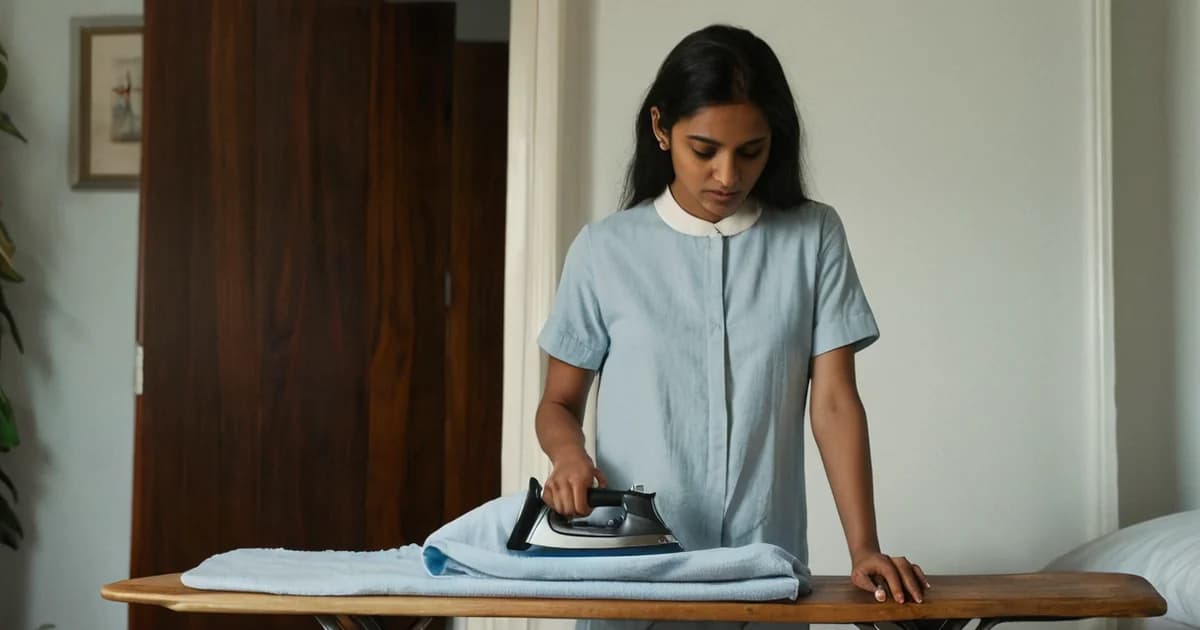
Receptionist interview questions mostly test three things: how you handle a phone call and a visitor at the same moment, how you calm an upset person, and how you keep schedules, messages, and private information organized. Expect a "why this job" question, one or two desk scenarios, and a behavioral story. Answer with a specific past example, name the tool or habit you used, and dress one step above the office's everyday front desk look.
By I start Monday team · Published October 24, 2026 · 9 min read
A receptionist interview is a test of what happens at the front desk when several things land at once. The hiring manager wants to know whether you stay friendly when the phone rings during a check-in, whether you can be trusted with calendars and private information, and whether visitors walk away with a good impression of the company. The Bureau of Labor Statistics describes the job as answering phones, receiving visitors, and providing information to the public, and nearly every question below maps to one of those duties. Your appearance and manner during the interview count as part of the answer, because you are auditioning as the first person visitors will see. If you have retail or call center experience, the guide to customer service interview questions covers overlapping ground.
Why do you want to work as a receptionist here?
Why they ask: Replacing a receptionist means retraining someone on the phones, the calendar, and every regular visitor. They want to hear that you picked this job deliberately and know what the day looks like.
A strong answer: "I like being the person who makes the first few minutes of a visit go smoothly. At the dental office where I worked, I checked in patients and ran the phones, and I did my best work on the busy mornings. You see a lot of walk-ins here, and I want a desk that keeps me busy all day."
A weak answer: "Honestly, I just need something steady, and I heard this job is pretty easy, mostly answering phones."
Fix it in one line: Name one front desk task you already do well and one specific reason this office appeals to you. If they open with a broader prompt, the same two ingredients work; see how to answer tell me about yourself.
The phone is ringing and a visitor just walked up. What do you do?
Why they ask: The O*NET task list for receptionists includes both answering calls and greeting people who enter. They are checking whether you can acknowledge two people at once and keep both of them feeling looked after.
A strong answer: "I'd make eye contact with the visitor and smile so they know I've seen them. Then I'd answer the call with the company greeting and ask if I can place them on a brief hold. I'd check the visitor in, go back to the caller, and thank them for waiting. If the caller sounded urgent, I'd tell the visitor I'll be right with them and finish the call first."
A weak answer: "I'd answer the phone first, because you can never miss a call."
Fix it in one line: Acknowledge both people within seconds, then handle them one at a time using a short, polite hold.
Tell me about a time you dealt with an upset visitor or caller
Why they ask: The front desk absorbs frustration about late appointments, billing, parking, and wrong directions. They want a specific story that shows you stayed calm and solved the problem.
A strong answer: "A patient came in angry because his appointment had been moved and nobody told him. I apologized, said I'd find out what happened, and checked the system. The reminder text had gone to an old phone number. I updated it, asked the office manager to fit him in that afternoon, and he thanked me on his way out."
A weak answer: "I don't really get upset customers. People are usually nice to me."
Fix it in one line: Pick one real incident and say what the person was upset about, what you did, and how it ended.
How do you keep track of appointments, messages, and deliveries?
Why they ask: The O*NET task list for receptionists includes scheduling appointments and taking messages. A dropped message or double-booked room lands on someone else's day, so they want a system a coworker could pick up if you were out sick.
A strong answer: "Everything goes into the shared calendar the moment it's booked. For phone messages I use email or the message feature in the phone system so there's a record with the time and callback number, and I read the number back to the caller. Packages get logged with the recipient's name and the time, and I send that person a quick note when something arrives."
A weak answer: "I have a really good memory, so I usually just remember who called."
Fix it in one line: Describe the system and name the tool, such as a shared calendar plus a written message log.
Someone without an appointment insists on seeing the manager right now. What do you do?
Why they ask: Receptionists decide who gets past the lobby. They are testing tact, judgment, and whether you know when to follow a safety procedure.
A strong answer: "I'd stay polite, get their name and what it's about, and tell them I'll check whether she's available. I'd call or message her from the desk while they wait in the lobby. If she can't step out, I'd offer the next open slot or take a detailed message. If they became aggressive, I'd follow the office's security procedure."
A weak answer: "I'd probably just let them go back. I don't want to make anyone mad."
Fix it in one line: Show that you protect the manager's time and the building, with a polite alternative ready for the visitor.
How do you handle confidential information?
Why they ask: The front desk sees client names, schedules, and sometimes medical or legal details. In clinics and law offices, a careless comment in the waiting room is a serious problem.
A strong answer: "I keep my screen angled away from the waiting area and lock it whenever I step away. I don't confirm whether someone is a client over the phone until I know who's calling. And I keep what I overhear at the desk to myself, including with coworkers who aren't involved."
A weak answer: "I'm not a gossip, so that's never been a problem for me."
Fix it in one line: Name two or three concrete habits you already practice.
CHECK YOUR FIT
Score your fit before you walk in. List every duty in the job posting: phones, greeting visitors, scheduling, mail, data entry, and so on. Check off each one you have done in a paid, volunteer, or school role, then divide your checks by the total. If the posting lists 8 duties and you have done 6, your ratio is 6 out of 8, or three quarters. At half or above, lead your answers with direct experience. Below half, take the unchecked duties that appear first in the posting and prepare one sentence each on how you would learn them, such as practicing with a free calendar tool or taking an online typing test.
| Question | What the interviewer is really asking | A strong answer in one line | A red flag |
|---|---|---|---|
| Why do you want to work as a receptionist here? | Did you choose this job on purpose, and will you stay? | One front desk task you do well plus one reason this office fits | Calling the job easy or just a paycheck |
| Phone ringing, visitor at the desk: what do you do? | Can you split attention without ignoring anyone? | Acknowledge the visitor, short hold for the caller, handle each in turn | Picking one person and leaving the other waiting |
| Tell me about an upset visitor or caller | Do you stay calm and actually fix the problem? | A real incident: the complaint, your action, how it ended | Claiming you never meet upset people |
| How do you track appointments, messages, and deliveries? | Do you use a system someone else can follow? | Shared calendar, written message log, package log with times | Relying on memory |
| Walk-in demands to see the manager now | Will you protect people's time and the building politely? | Get name and reason, check from the desk, offer a slot or message | Waving them back to avoid conflict |
| How do you handle confidential information? | Can we trust you with names, schedules, and private matters? | Screen angled away, locked when away, verify callers first | A vague promise that you do not gossip |
The night before
- Reread the posting alongside your fit ratio and match one short story to each duty you checked. The interview preparation checklist covers the logistics, like directions and printed copies of your resume.
- Lay out your outfit: clean business casual one step dressier than what the office's own front desk wears, with closed-toe shoes and light or no fragrance. If you can't tell the dress code, look at staff photos on the company website.
- Say your phone greeting out loud three times, including the company name, your name, and an offer to help, in case the manager asks you to role-play a call.
- Write each of your six answers as a single line on an interview cheat sheet and read it once in the morning.
- Plan to arrive about ten minutes early and be warm with whoever greets you, since the person at the desk may be asked what they thought of you.
Try it
Search across every ATS I start Monday tracks in one pass, and build a tailored resume and cover letter for the roles that match. Start on I start Monday
Frequently asked questions
What should I wear to a receptionist interview?
Aim for business casual that is slightly dressier than what the current front desk staff wear. Pressed slacks or a knee-length skirt with a blouse or collared shirt works for most offices; a blazer suits law firms, banks, and corporate lobbies. Keep shoes clean and closed toe, and keep fragrance light because you will sit close to people.
Do I need office experience to get hired as a receptionist?
Often you do not. The Bureau of Labor Statistics says receptionists typically need a high school diploma or equivalent and learn the job through short-term on-the-job training. Without office experience, draw answers from retail, food service, or volunteering where you greeted people, handled complaints, or managed a schedule, and say which tools you would learn first.
What questions should I ask the interviewer at the end?
Ask about the desk itself. Good options: how busy the phones and lobby get on a typical day, which scheduling and phone software the office uses, who covers the desk during your lunch, and what the previous receptionist did especially well. The answers show the real workload and give you specifics for your thank-you note.
More on Office and Admin
- Customer service interview questions: what managers ask and how to answer
- Customer Service Skills for a Resume: Practical Examples