Trades as a Second Career: What Works, What Does Not, and Where to Start
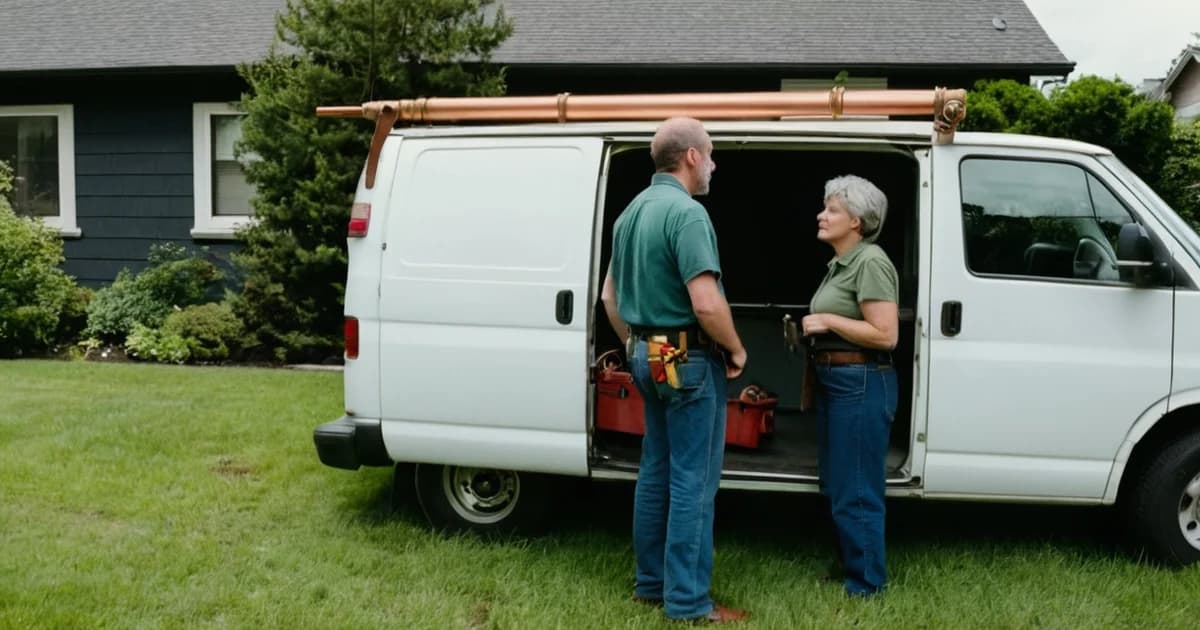
Trades can be a strong second career for people moving from office, retail, service, driving, warehouse, or caregiving work into hands-on roles. The hardest part is managing the training period while building practical skill, credentials, and a plan for income. Start by matching your existing strengths to one trade and its entry path.
By I start Monday team · Published October 10, 2026 · 7 min read
A move from office, retail, customer service, warehouse, driving, or caregiving work into a trade can give you a clearer connection between effort and completed work. The hardest part is usually the transition period: learning tools and safety practices, accepting entry-level tasks, and arranging training around your current income and family responsibilities. A useful plan starts with one target trade, one realistic entry route, and proof that your past work already built habits employers need.
Skills that carry over
Your previous jobs may already show the work habits that apprenticeships, helper roles, and entry-level trade crews expect.
| Skill you already have | How it shows up in the new field |
|---|---|
| Customer communication | Explain repair needs and confirm job details |
| Following procedures | Use safety steps and manufacturer instructions |
| Time management | Arrive prepared and finish assigned work |
| Problem solving | Trace faults and choose a practical fix |
| Team coordination | Hand off work clearly on a job site |
| Physical stamina | Work safely through active shifts |
How to rewrite the resume
A career-change resume needs to make the connection for the hiring manager. Lead with a short target statement, put relevant skills near the top, and rewrite past duties around safety, tools, troubleshooting, customer contact, pace, and reliability. Use the language in the job posting when it accurately describes work you have done. The goal is to show evidence, not to claim experience you do not have.
- Before: "Answered customer questions and processed returns in a busy home improvement store." After: "Helped customers identify materials, kept work areas organized, and followed store safety procedures during active shifts."
- Before: "Managed a calendar and handled requests for a property office." After: "Coordinated service requests, tracked repair details, communicated schedule changes, and kept accurate records for maintenance work."
Keep job titles accurate. A customer service representative does not become an electrician on paper. The stronger approach is to show tasks that connect to the next role, such as reading product information, resolving urgent requests, maintaining organized inventory, documenting work, or using basic hand tools. If you are targeting electrical work, compare your draft with these electrician resume examples. For broader formatting and language choices, use this guide to a resume for hourly and trade jobs.
Build a skills section around capabilities you can discuss in detail. "Safety awareness" belongs there when you can explain the procedures you followed. "Mechanical aptitude" belongs there when you can describe equipment, repairs, assembly, maintenance, or troubleshooting you have actually completed. Training courses, volunteer repair work, and relevant licenses can also appear in a separate training section with their real completion status.
CHECK YOUR MATCH
Choose five core skills from a posting. Count how many of your last three roles used at least one of those skills. If all three roles connect, you have three examples to use in your resume and interview.
How to explain the change in an interview
Interviewers want to hear that you chose the field with care, understand the entry point, and are prepared to learn. Give a concise answer that connects your previous work to the trade and shows you have taken a concrete first step. Keep the focus on the work you want to do, the habits you bring, and the way you plan to grow.
"I have spent the last few years in customer-facing operations work, where I learned to stay organized, follow procedures, solve problems quickly, and communicate clearly when plans changed. I am moving into electrical work because I want practical, technical work with a clear skill path. I have started learning the basics, and I am ready to begin in a helper or apprentice role, show up prepared, and learn from experienced people on the crew."
Avoid lines that make the move sound impulsive, such as "I am tired of my old job" or "I will take anything." Skip claims about expertise you cannot demonstrate. Avoid presenting entry-level work as beneath you. Employers can train a new worker who listens, asks useful questions, and follows safety direction. They cannot easily repair a poor attitude toward basic tasks, feedback, or crew routines.
Prepare two short stories before the interview. One can show how you handled a problem under pressure. The other can show how you learned a process, used feedback, or prevented an error. Use a simple structure: the situation, the action you took, and the result. This helps an employer picture how you will behave on a job site or in a shop.
A realistic first 30 days
The first month works best when you narrow your focus. You do not need to solve your entire career path before taking action. Pick a trade where the daily work, physical demands, training route, and local opportunities make sense for your life. Then create evidence that you are serious about entering it.
- Choose one primary trade and one backup option. Read job descriptions for helper, trainee, apprentice, maintenance, and installer roles to learn the language employers use.
- Check the entry requirements through a local union, employer, workforce office, trade school, or apprenticeship program. Write down required documents, testing, licenses, and application dates.
- Revise your resume for the target role. Add relevant safety training, equipment experience, scheduling responsibilities, physical work, and customer-facing problem solving.
- Talk with people doing the work. Ask what a new hire does during the first few months, what tools they use, and what behavior earns trust from the crew.
- Apply to entry routes that match your current skill level. A warehouse background may support maintenance, material handling, delivery, or installer support roles while you pursue training.
- Practice a short introduction and bring questions to every conversation. Ask about training, schedule expectations, safety culture, and the next step in the hiring process.
Your first role in the field may be adjacent to your long-term target. That can still be useful when it gives you experience with job-site routines, materials, equipment, dispatch, work orders, or safety expectations. For example, someone with warehouse experience may find relevant language in a seasonal warehouse associate job description before pursuing material support or maintenance roles. The key is to keep your target visible and keep building evidence that supports it.
If you are considering healthcare alongside the trades, compare the training timeline, shift patterns, physical demands, and patient contact involved. A career change should fit more than your interest in a job title. For nursing applications, this guide to nursing resume and interview prep can help you frame transferable experience in a field where communication, documentation, and dependable routines matter every day.
Keep a simple record of what you learn during this period. Save postings, note repeated requirements, list questions you hear in conversations, and track each application. Those notes will improve your resume and interview answers because they are tied to the role you are actually pursuing. A second career gains momentum through repeated, specific actions rather than a single large decision.
Try it
Search across every ATS I start Monday tracks in one pass, and build a tailored resume and cover letter for the roles that match. Start on I start Monday
Frequently asked questions
Do I need trade school before applying for a trade job?
Many entry routes include helper, trainee, laborer, or apprenticeship positions where employers expect a person to learn on the job. Requirements vary by trade and location. Review local programs and job postings, then apply when you meet the listed requirements. Training can strengthen an application when it gives you practical, documented skills.
How do I choose between two trades?
Compare the daily tasks, work setting, physical demands, schedule, training path, and licensing process. Read several local postings for each option and speak with people doing the work if possible. Choose the path whose routine you can picture yourself doing consistently, including the early tasks that come before higher-skill work.
Will employers consider my age when I change careers?
Employers often focus on whether you can meet the job requirements, learn safely, show up reliably, and work well with the crew. Present your past experience as evidence of those habits. Be ready to discuss the physical demands honestly and explain the specific steps you have taken toward the field.
Should I include unrelated jobs on my resume?
Include roles that help prove reliability, customer communication, scheduling, safety awareness, physical stamina, equipment use, or problem solving. Older or less relevant roles can take less space. Keep enough work history to show a clear record, then give the strongest detail to experience that supports your target trade.
More on Job Search
- Visa sponsorship jobs USA: where to look, what to check, and what to ask
- AI Job Matching for Better-Fit Applications
- Greenhouse Job Search: Find Roles Across Company Boards