Forklift operator pay: where to find BLS wage estimates and how to compare an offer
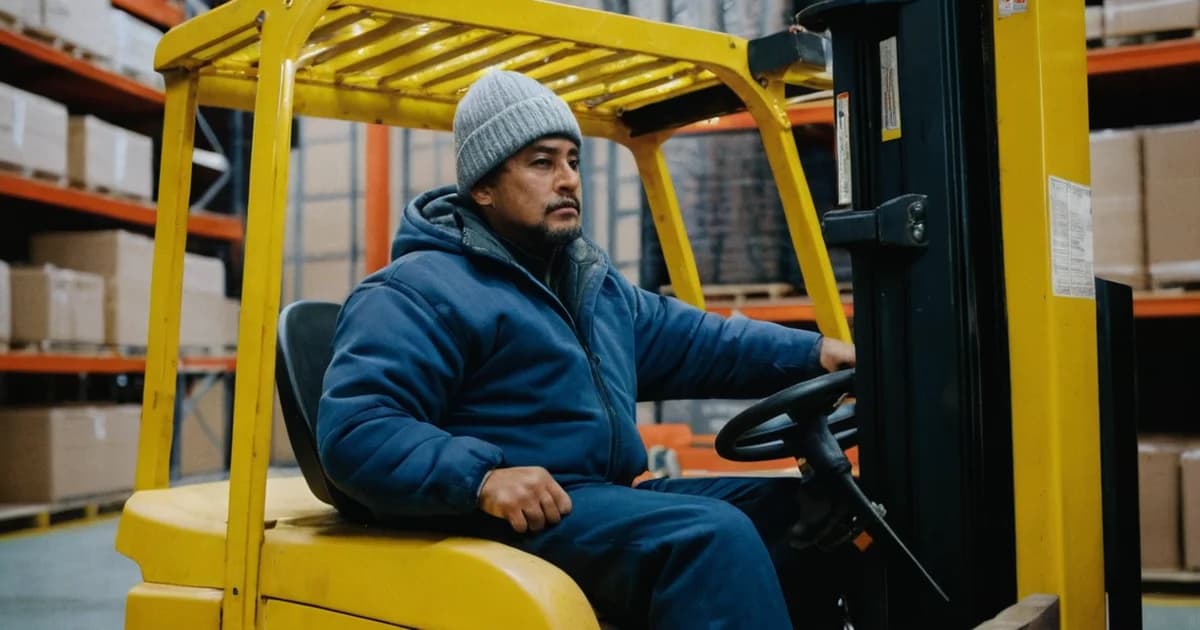
The Bureau of Labor Statistics Occupational Employment and Wage Statistics program produces wage estimates annually for approximately 830 occupations. These estimates are available for the nation as a whole, for individual states, and for metropolitan and nonmetropolitan areas, and national occupational estimates are also available for specific industries. For a benchmark, look up the estimate for your state or metro area and compare your offer against it.
By I start Monday team · Published October 29, 2026 · 5 min read
The Bureau of Labor Statistics Occupational Employment and Wage Statistics (OEWS) program produces employment and wage estimates annually for approximately 830 occupations. These estimates are available for the nation as a whole, for individual states, and for metropolitan and nonmetropolitan areas. If you are checking a forklift operator offer, find the wage estimate for your state or metro area and use it as the benchmark when you compare offers.
When the national figure is the wrong benchmark
BLS publishes national wage estimates by occupation, and a national figure covers the nation as a whole. Use it as a starting point and then narrow it down. BLS wage data also has estimates for individual states and for metropolitan and nonmetropolitan areas, so compare against the figure for where you will work. The type of shift, the equipment you run and the way you are hired come next. The table below covers the common cases and what to ask in each one.
| Situation | What to do |
|---|---|
| Offer is for a night or weekend shift | Ask whether a shift differential is included in the quoted rate or paid on top |
| You live in a high-cost metro area | Compare against the metro wage figure in BLS data instead of the national median |
| Job comes through a staffing agency | Ask whether the hourly rate changes if you convert to a direct hire |
| Role adds reach trucks, order pickers or inventory counts | Ask whether the added equipment or duties change the quoted hourly rate |
| Posting lists a wide pay range | Ask where new hires with your experience usually start |
Checking industry, shift and overtime details
Three things can move the number. The first is the industry: a manufacturing plant, a grocery distribution center and a general warehouse can all hire for the same job title and may pay different rates. BLS also publishes national occupational wage estimates for specific industries, so you can check the figure for the industry you are applying in. The second is the schedule. Ask whether night, weekend or cold storage shifts carry a differential. The third is overtime. Ask how overtime is paid and how often it is scheduled, because the hours you actually work change what you earn over a year.
CHECK YOUR NUMBER
Work out your offer ratio. Divide the offered hourly rate by the BLS hourly wage estimate for your state or metro area. A result below 1.0 means the offer is under your local figure, so ask about differentials or negotiate. Above 1.0, find out what comes with it, such as mandatory overtime, freezer work or harder equipment.
If you are asked for your expected pay before an offer, base your range on the BLS wage estimate for your state or metro area. Our guide to salary expectations and negotiation explains how to give a range without undercutting yourself.
Worked example: comparing two warehouse offers
Say a reader has two offers in the same metro area and has looked up the local median hourly wage in BLS data. Here is how their notes compare:
- "Offer A: day shift, sit-down counterbalance forklift, base rate gives a ratio of 0.95 against the metro median, no scheduled overtime."
- "Offer B: night shift, reach truck in cold storage, base ratio of 0.92, plus a night differential that lifts it to 1.04."
Going by base pay alone, Offer A looks better. Once the differential is counted, Offer B pays more per hour, and the reach truck experience is worth something at the next job. The deciding factor is whether the reader can sleep during the day and handle cold storage. Before choosing, they confirm one detail in writing. For example: "Is the night differential included in the hourly rate in the posting, or paid on top of it?"
If Offer A is the better fit but its ratio sits below 1.0, a short written counter is reasonable. This guide to negotiating a salary offer by email has wording you can adapt. Once you accept one job, turn down the other promptly and politely. How to decline a job offer covers how to do that without closing the door.
Try it
Search across every ATS I start Monday tracks in one pass, and build a tailored resume and cover letter for the roles that match. Start on I start Monday
Frequently asked questions
Does experience on specific equipment raise forklift pay?
It may help. Documented time on reach trucks, order pickers or high racking is something concrete you can point to. Put the exact equipment types on your resume and mention them when you ask for a rate in the upper part of the posted range.
Is forklift operator pay reported as hourly or annual?
BLS publishes wage estimates by occupation through its Occupational Employment and Wage Statistics program. Before comparing, check whether the figure you are using is hourly or annual. If your job has seasonal slowdowns, unpaid weeks or regular overtime, work out your own annual figure from the hourly rate and your real hours.
Do temp-to-hire forklift jobs pay less than direct hire?
It varies, so ask. The rate you are paid while on an agency's payroll may differ from the rate after you convert to a direct hire. Ask both parties when conversion usually happens and whether your pay, benefits and shift differential change at that point.
More on Retail and Warehouse
- What Is a Seasonal Package Handler? A Plain Answer With the Exceptions
- Seasonal Warehouse Associate Job Description: Duties and Resume Examples